
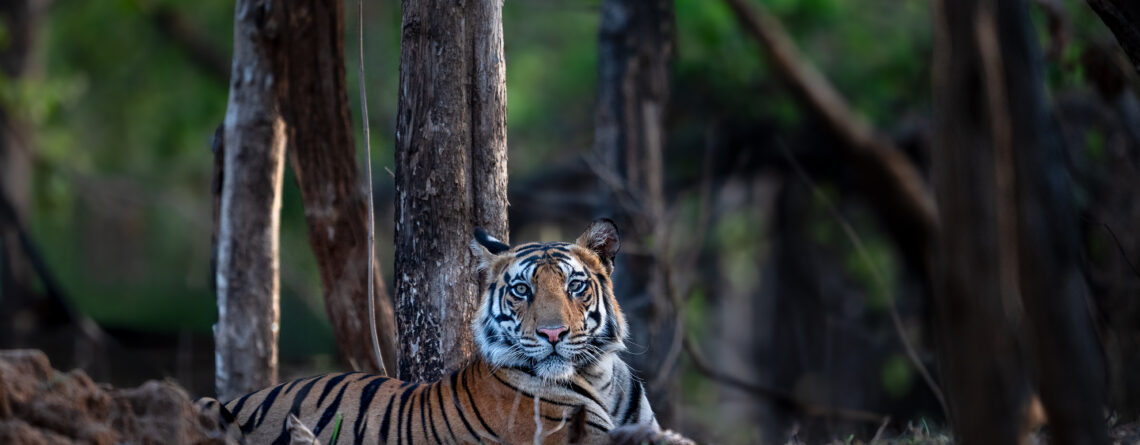
Panna – The Land of Stone, Silence and Stripes
“Some forests impress you with their beauty. Others stay with you because of the stories they quietly tell. Panna is one of those forests.”
Where the Forest Breathes Differently
The alarm goes off at 4:15 a.m.
For a moment, I wonder why anyone would willingly wake up at such an hour. Then I remember where I am.
Within minutes, the camera batteries are checked one last time, memory cards are formatted, and a quick cup of tea replaces breakfast. There is only one thing on every photographer’s mind i.e. to reach the safari gate before everyone else.
Because every wildlife photographer knows one simple truth – You always want to be among the first vehicles to enter the forest.
Not because it guarantees a sighting, but because those first few minutes often decide how the morning unfolds. There’s always the hope that a tiger has chosen the forest road as its morning path before retreating into the trees.
That anticipation is difficult to describe.
The forest is still waking up. The air carries the coolness of the night, birds are just beginning their morning chorus, and every bend in the road feels like it could reveal something extraordinary.
And sometimes, it does.
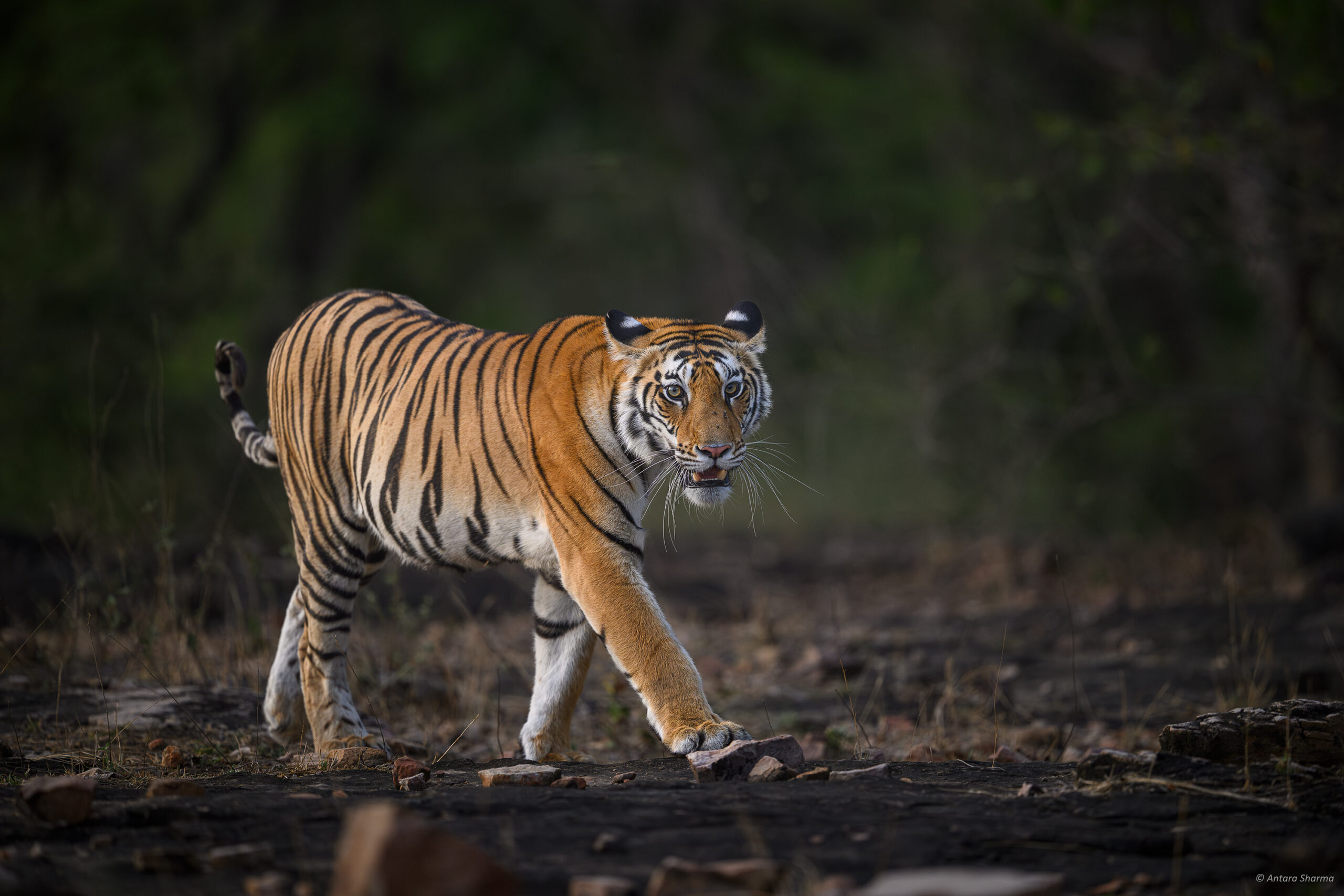
Panna isn’t a forest that reveals itself all at once.
The first thing that catches your attention isn’t necessarily the wildlife – it’s the landscape itself.
Weathered rock formations, ancient teak forests, winding riverbeds and the emerald waters of the Ken River come together to create a landscape that changes with every few kilometers. One moment you’re driving through dense woodland, and the next you’re overlooking a rocky riverbed glowing in the soft morning light.
For a wildlife photographer, Panna offers far more than tiger sightings.
It offers atmosphere.
A Forest That Refused to Give Up
Panna’s greatest story isn’t just about its tigers, it’s about resilience.
There was a time when the reserve lost its entire tiger population to poaching. Few believed the forest could recover.
Yet through one of India’s most successful conservation programs, Panna slowly came back to life. Carefully planned tiger relocations, years of protection and the dedication of countless forest staff transformed an empty forest into one of India’s remarkable conservation success stories.
Walking through these forests today, it is difficult to imagine that history.
Every fresh pugmark on a dusty track is an indication of how far Panna has come.
Chasing the First Light
For photographers, the first two hours after sunrise are pure magic.
The low morning sun gently brushes the rocks and tree trunks, creating soft contrast that beautifully complements the rich colours of a tiger’s coat. The light changes by the minute, and so does the mood of every photograph.
Then comes the challenge.
A tiger can move from deep shade into bright sunlight within seconds, forcing you to constantly rethink your exposure. Add dry grass, tangled branches and uneven terrain, and every frame becomes a lesson in patience.
Some mornings the forest gives you only a glimpse.
On others, it rewards you with moments that remain etched in your memory long after you’ve returned home.
Every Tiger Has Its Own Story
One of the greatest joys of spending time in the field is realizing that no two tigers behave alike.
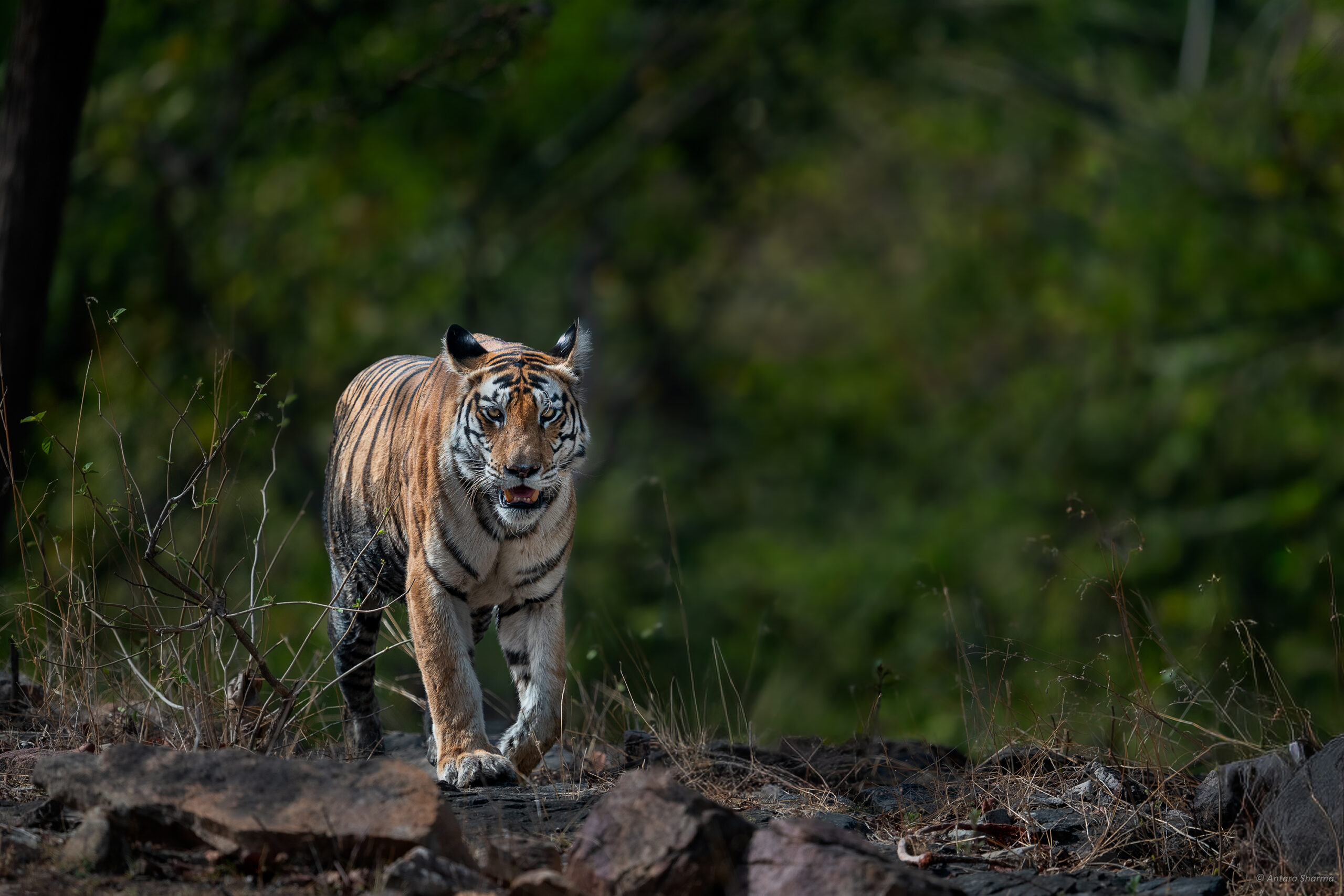
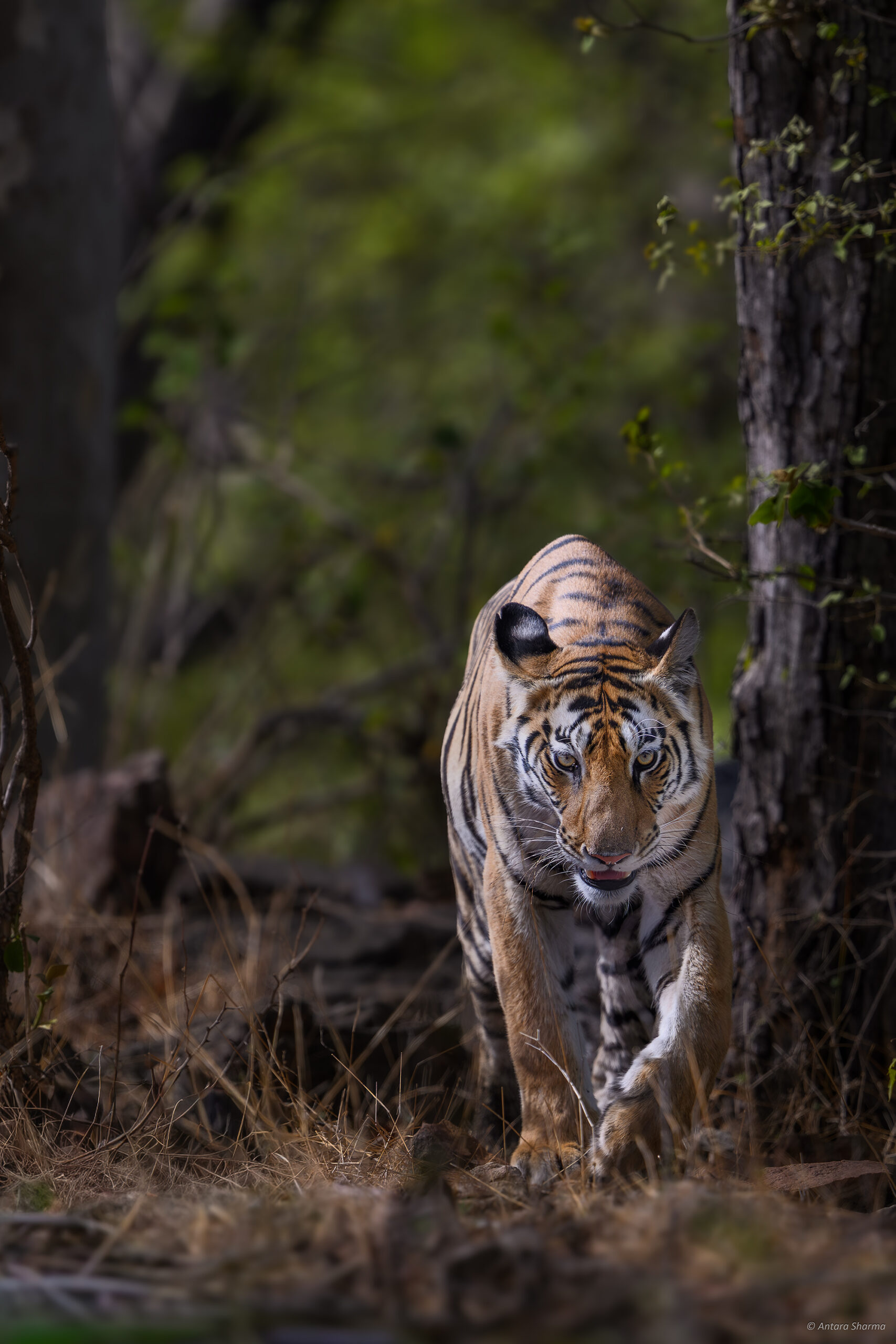
Some walk confidently along the forest tracks, completely unbothered by the presence of safari vehicles.
Some disappear into the undergrowth before you’ve even raised your camera.
Some pause just long enough to glance towards you.
Others seem determined to avoid every lens pointed in their direction.
These small differences are what make every encounter unforgettable.
You’re never photographing “a tiger.”
You’re photographing an individual with its unique habits, personality and rhythm.
Perhaps that’s why every sighting feels new, no matter how many safaris you’ve done.
Beyond the Portrait
Like many photographers, I began by trying to fill the frame with the tiger.
Over time, my approach has changed.
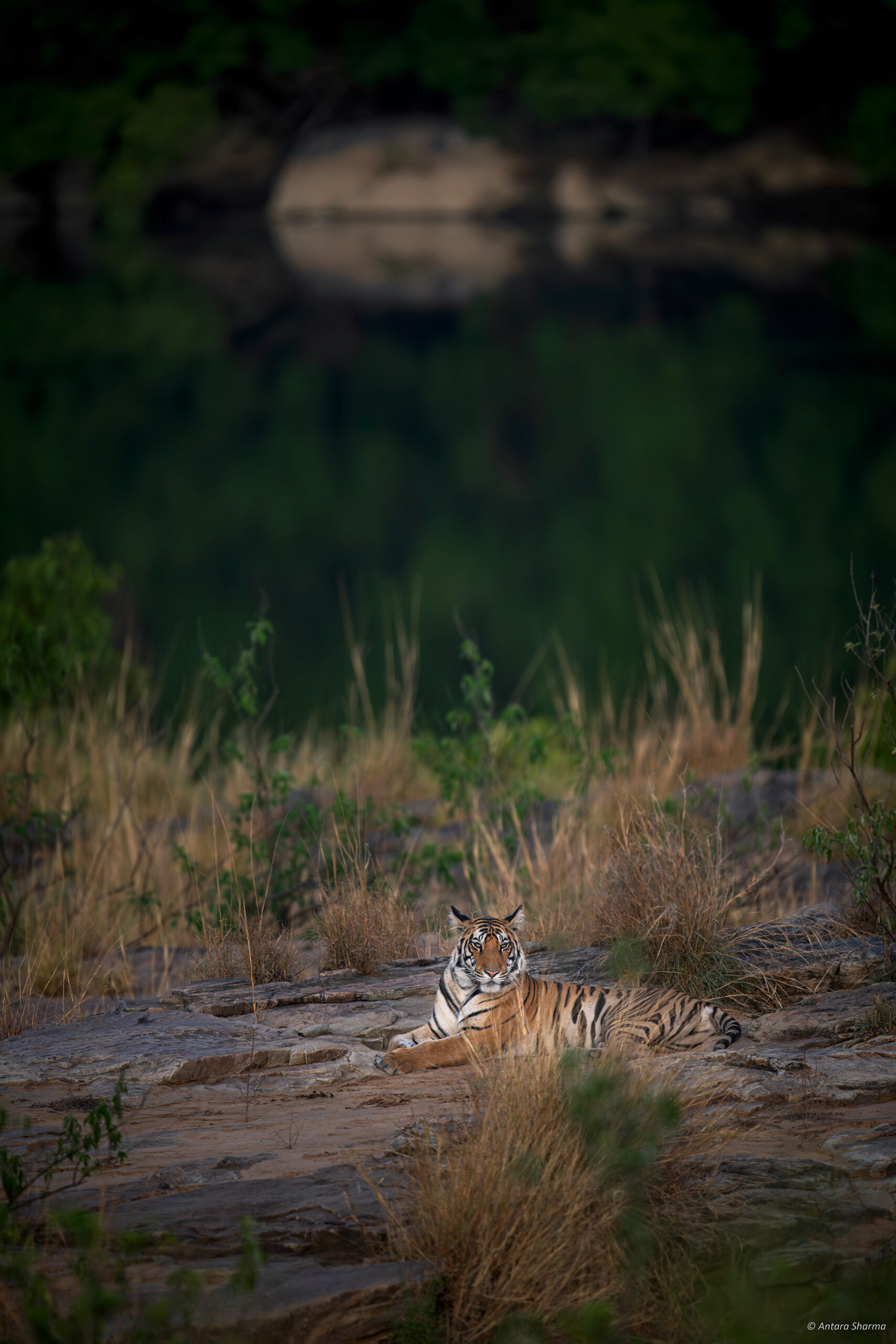
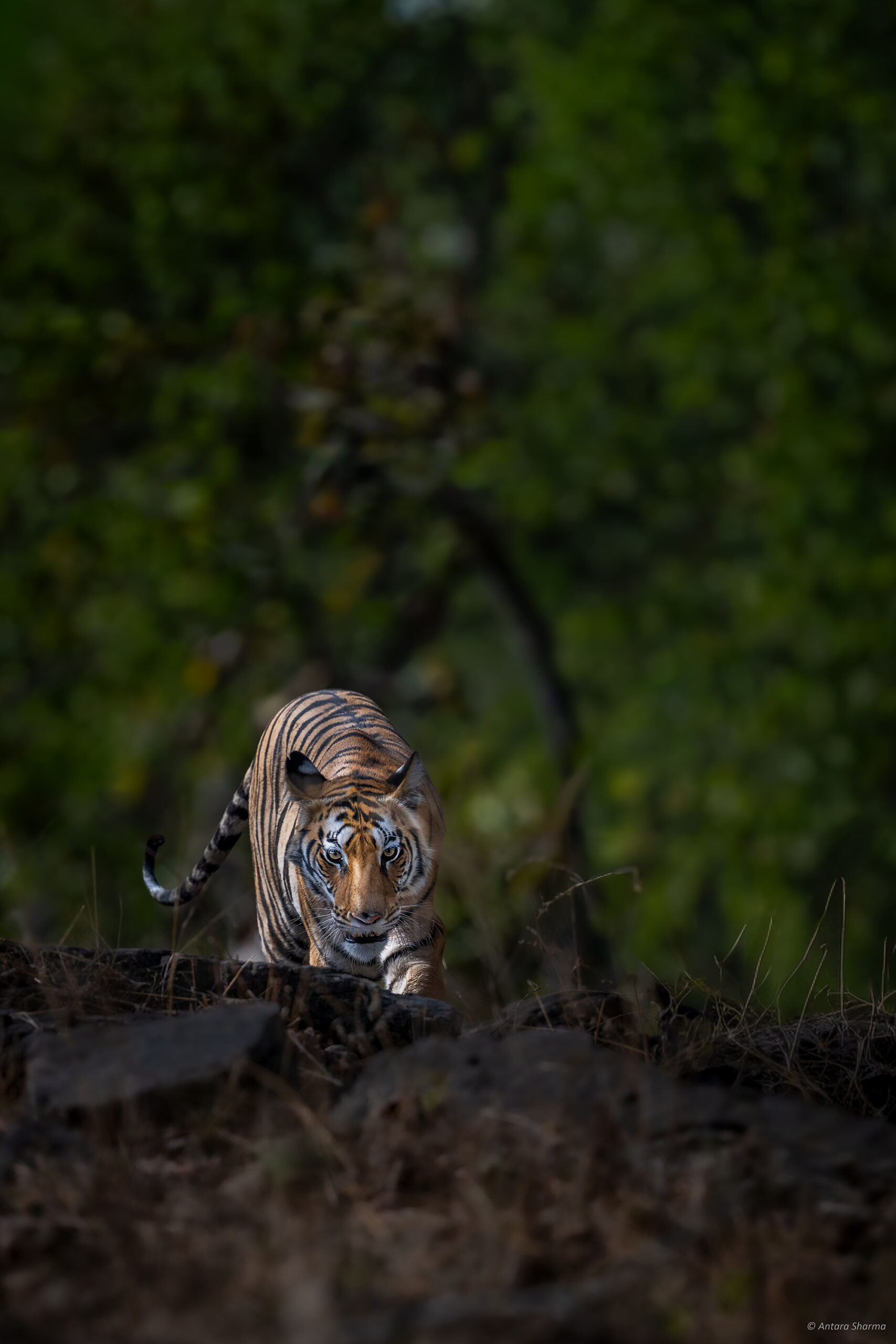
Some of my favorite photographs from this trip are the ones where the tiger occupies only a small part of the frame. The surrounding rocks, riverbeds and forests provide context, reminding us that these magnificent animals are part of a much larger ecosystem.
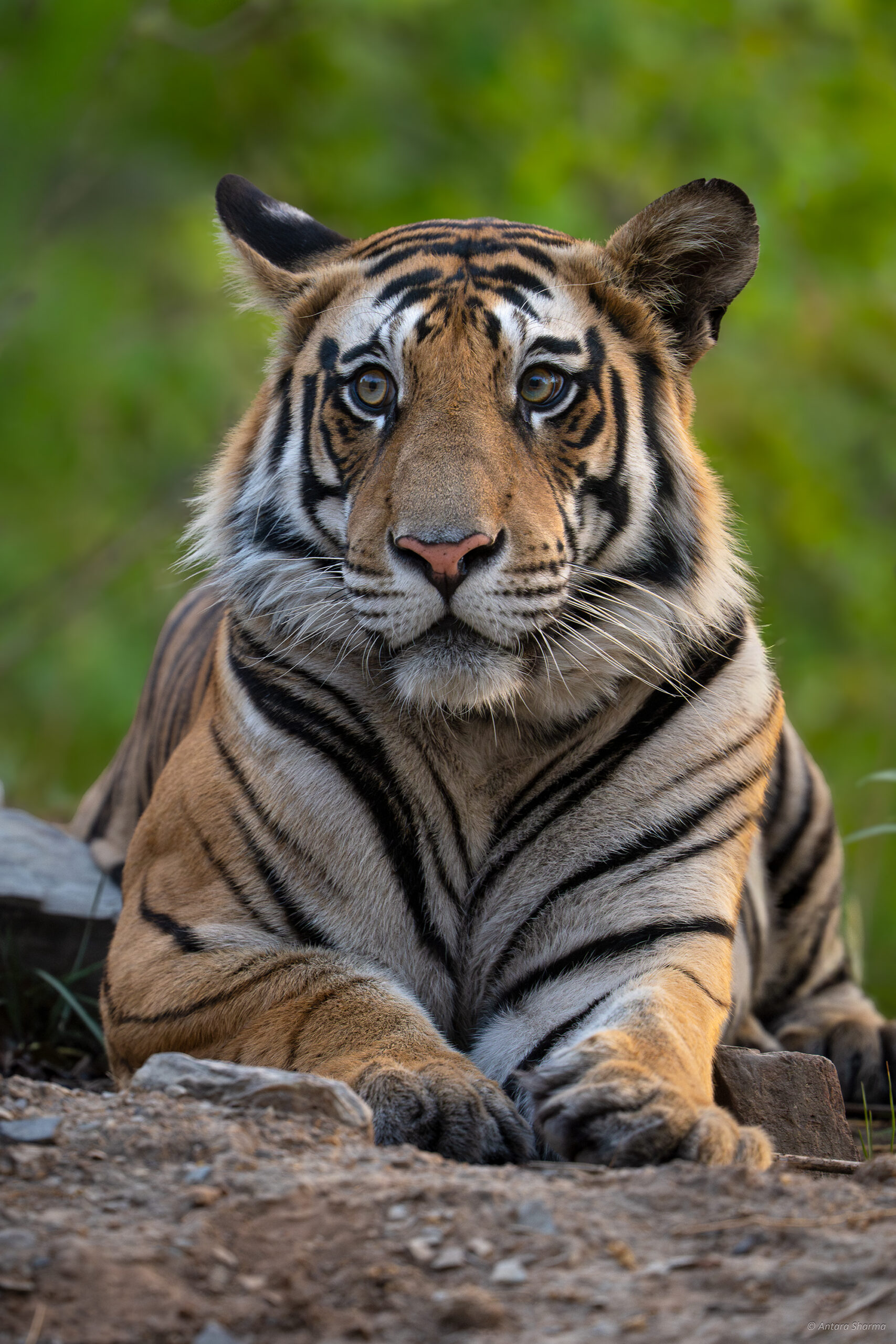
A close portrait captures expression.
A wider composition captures a story.
Both have their place.
The Stories Between Sightings
The memories I carried home weren’t necessarily the closest encounters.
They were the quieter moments.
A tigress resting on cool rocks beside the river after her morning walk.
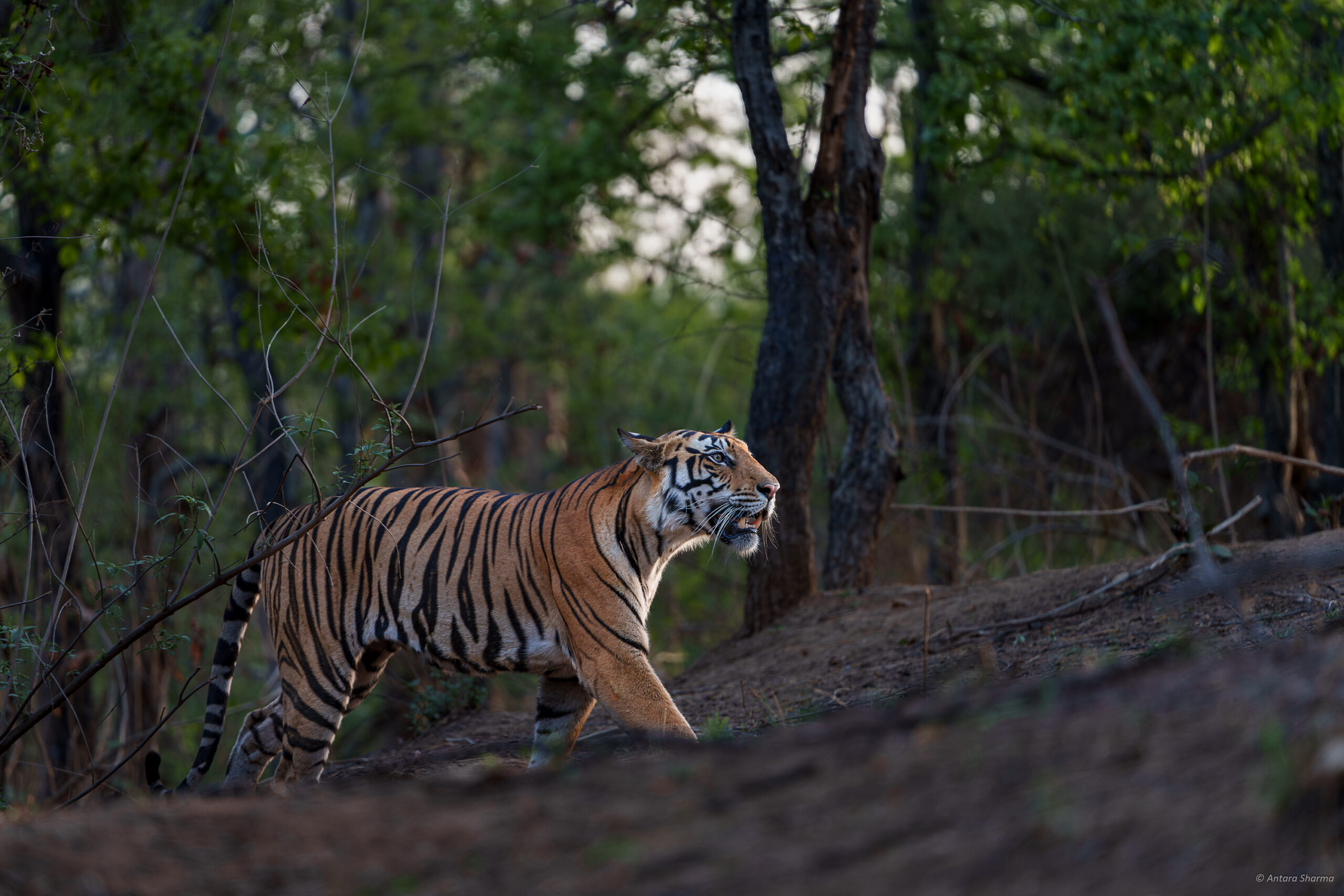
A curious glance over the shoulder before disappearing into the trees.
A leisurely walk-through shaft of filtered sunlight.
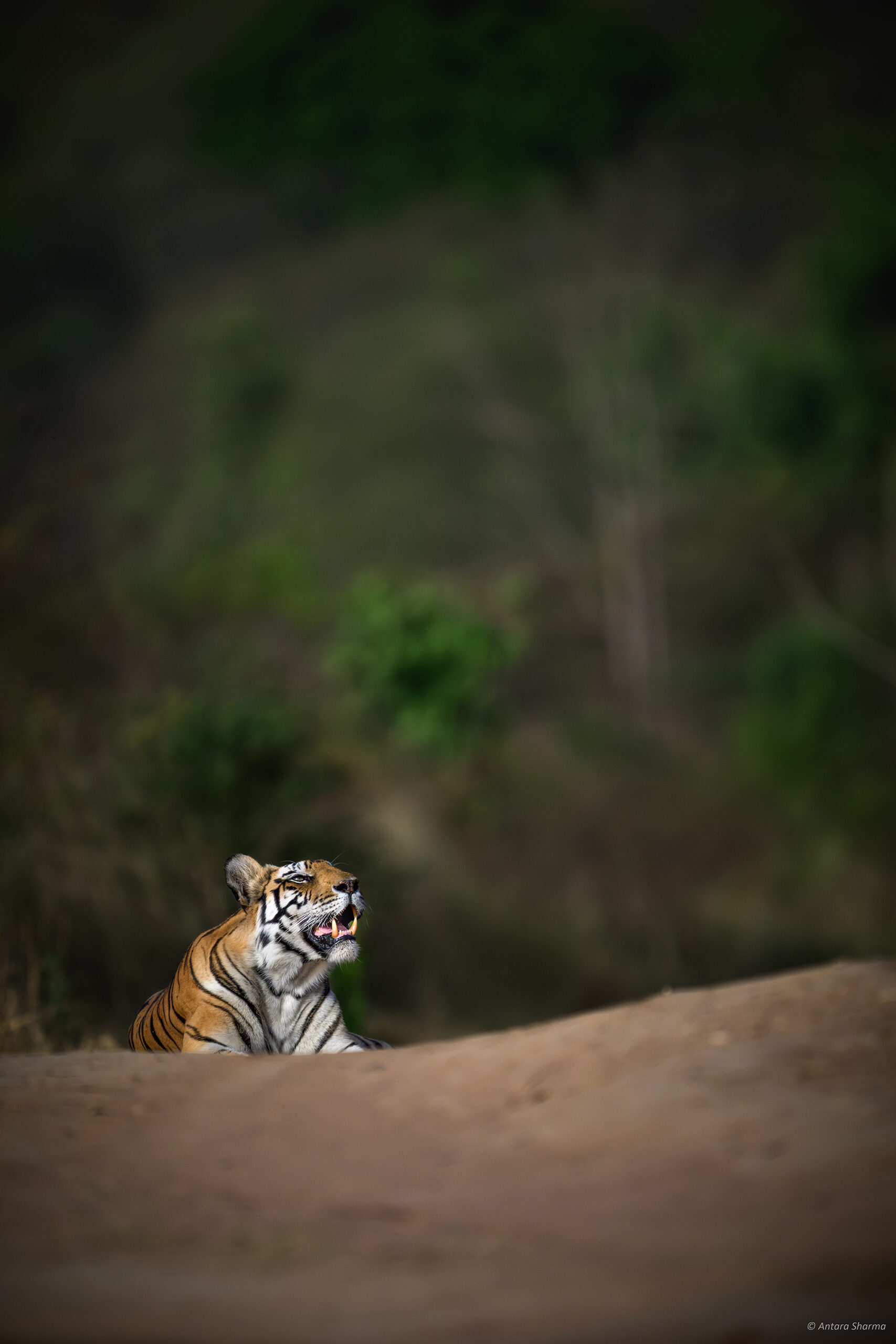
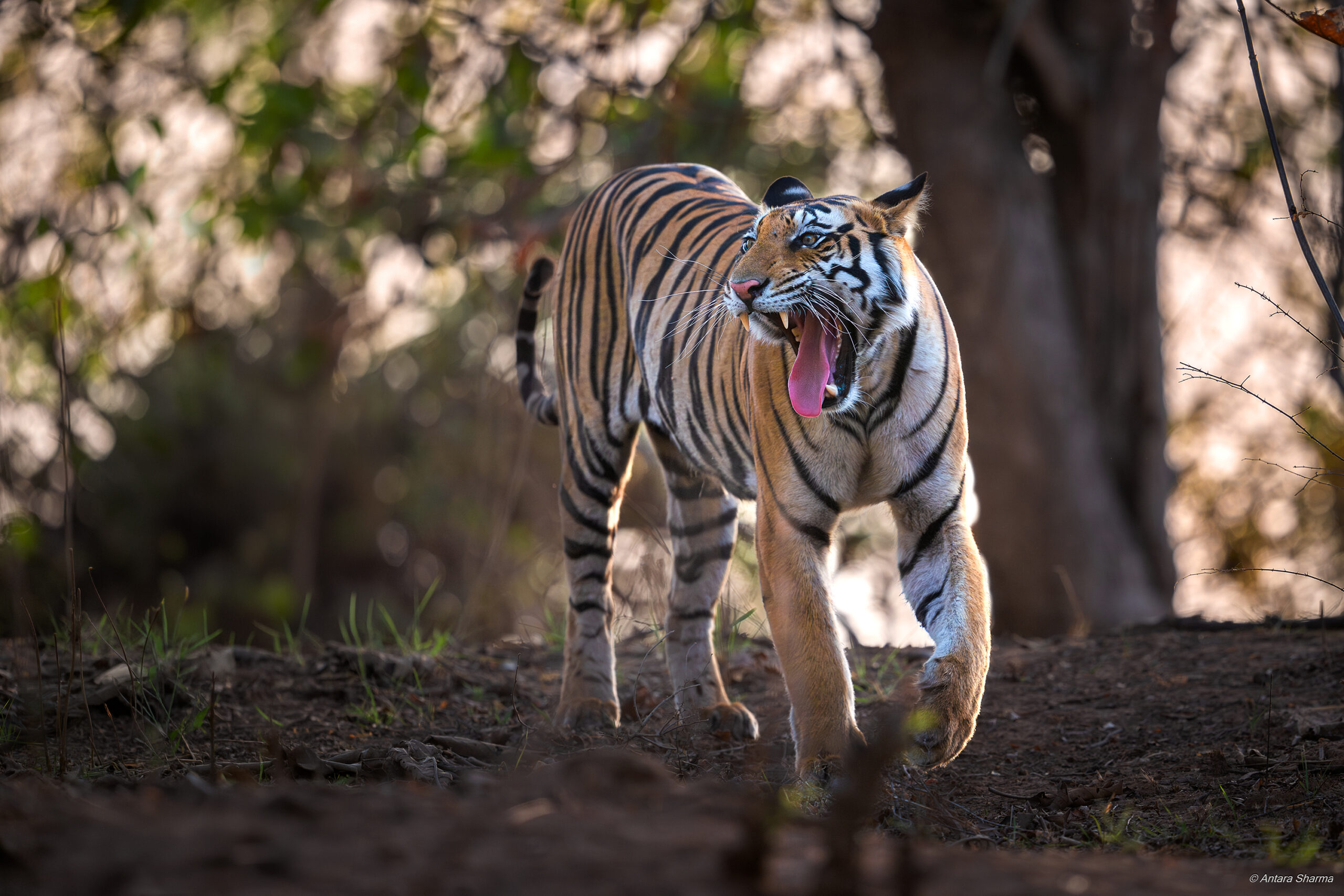
A huge yawn that lasted barely a second but became one of my favorite photographs from the trip.
These are moments no itinerary can promise and no guide can predict.
They are simply gifts from the forest.
More Than Tigers
Although tigers are undoubtedly Panna’s biggest attraction, slowing down reveals a forest full of rewards.
The changing light on ancient rocks.
Reflections along the Ken River.
Birds announcing the arrival of dawn.
The countless small moments between sightings often become just as memorable as the sightings themselves.


Leave a Reply