
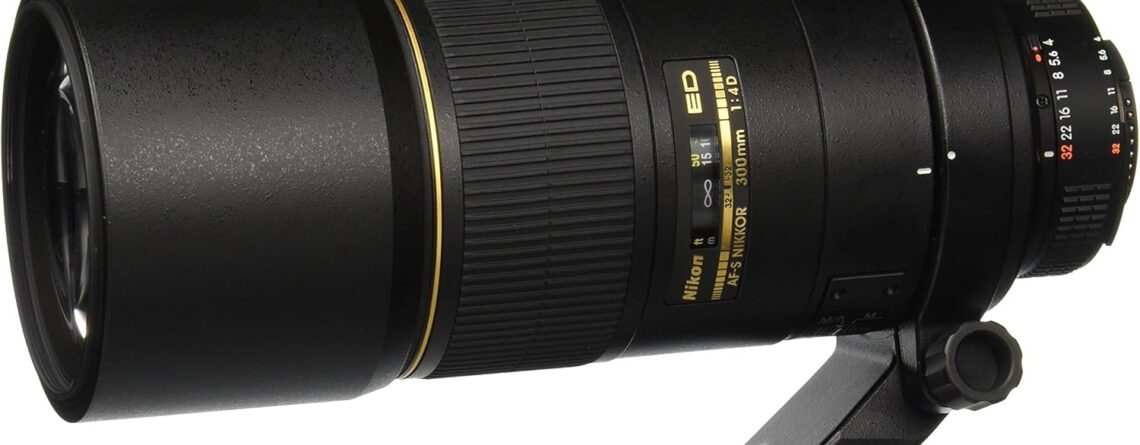
Nikon AF-S 300mm f/4E PF ED VR
Nikon AF-S 300mm f/4E PF ED VR — The Lens I Couldn’t Let Go
Some lenses are bought because you need them. Others become part of your photographic journey.
The Nikon 300mm f/4 AF-S is definitely the latter for me.
I started using this lens with my Nikon D500, often paired with the 1.4x teleconverter. It was an incredibly capable combination for wildlife. The reach, sharpness and relatively compact size made it one of those setups I could rely on without hesitation.
I made some wonderful images with it.
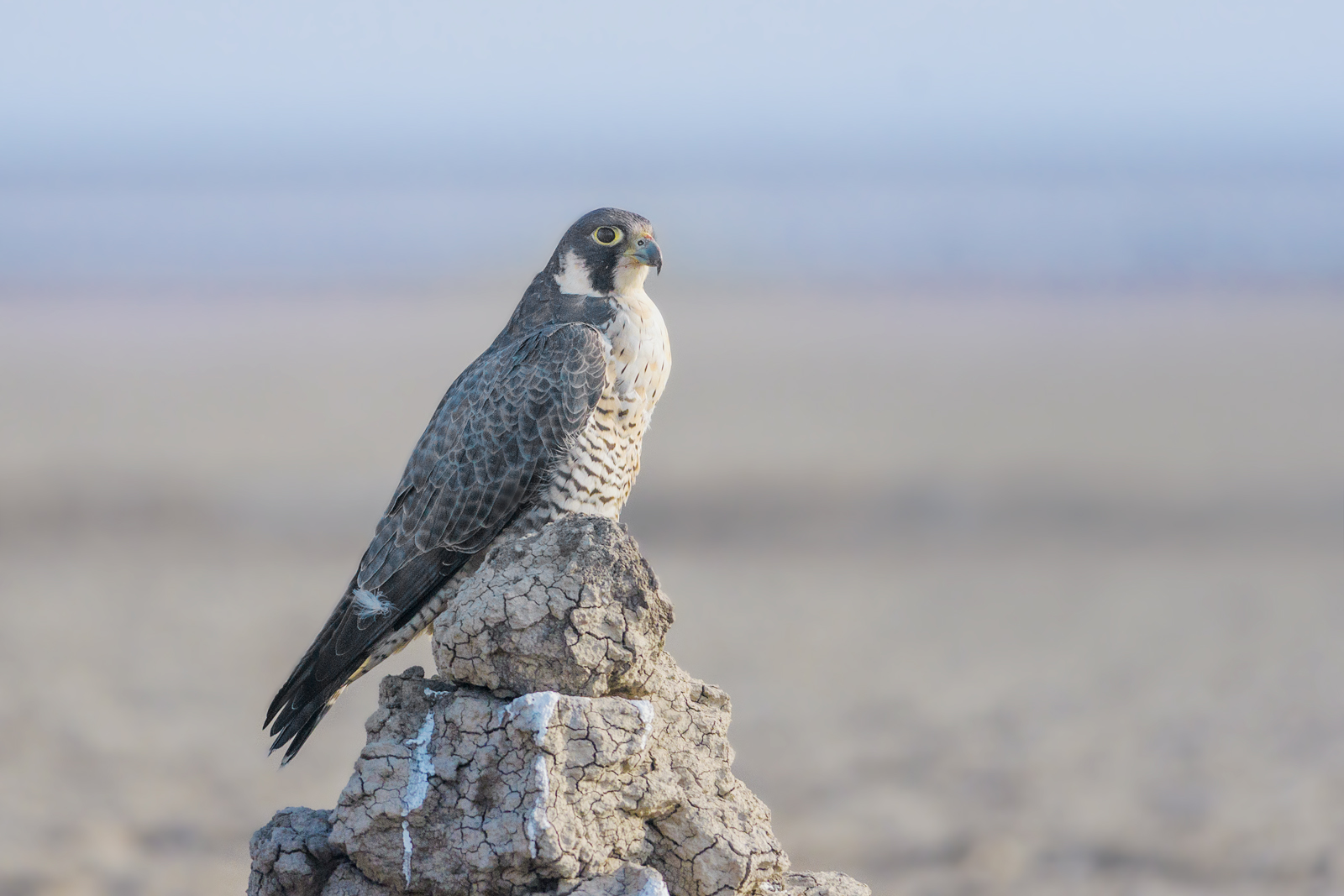
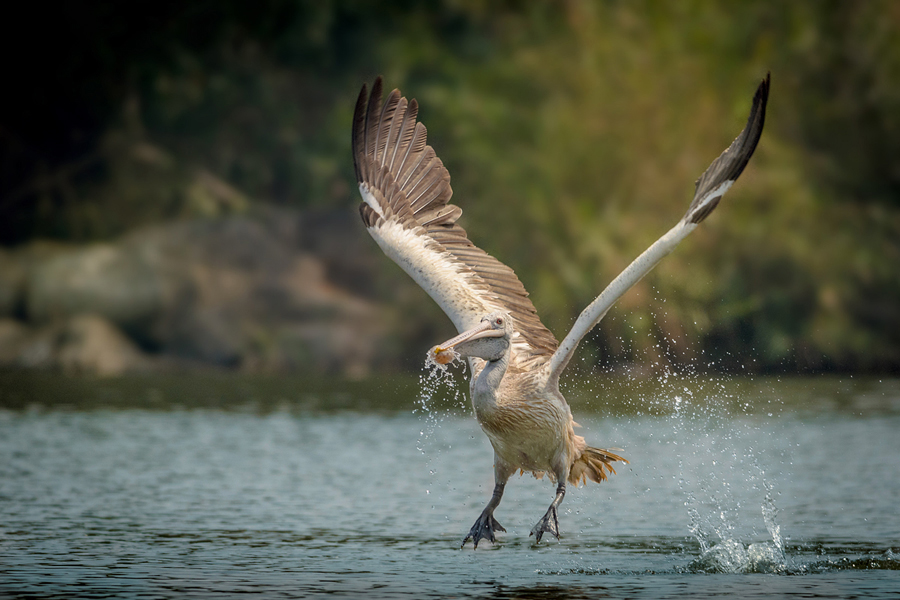
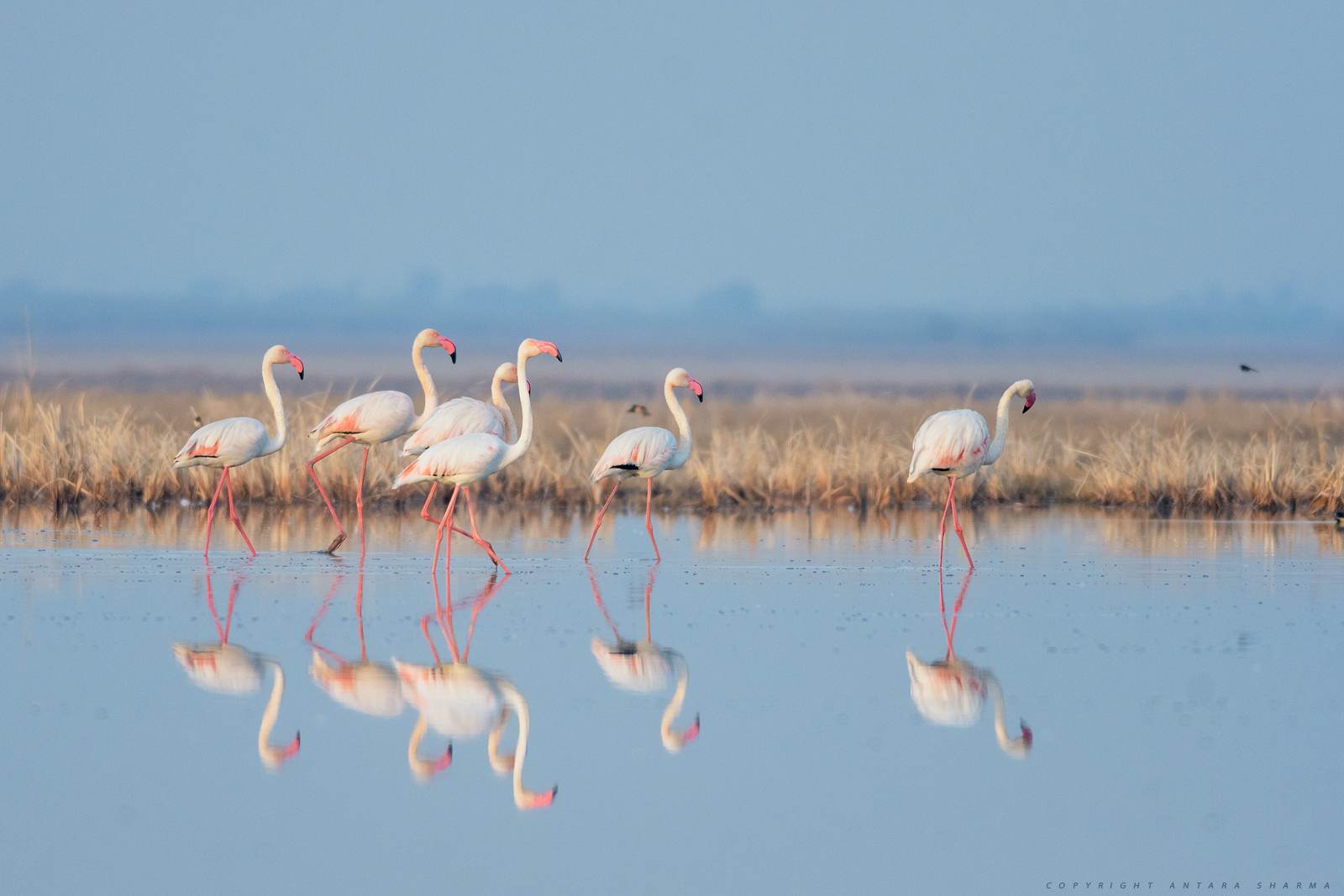
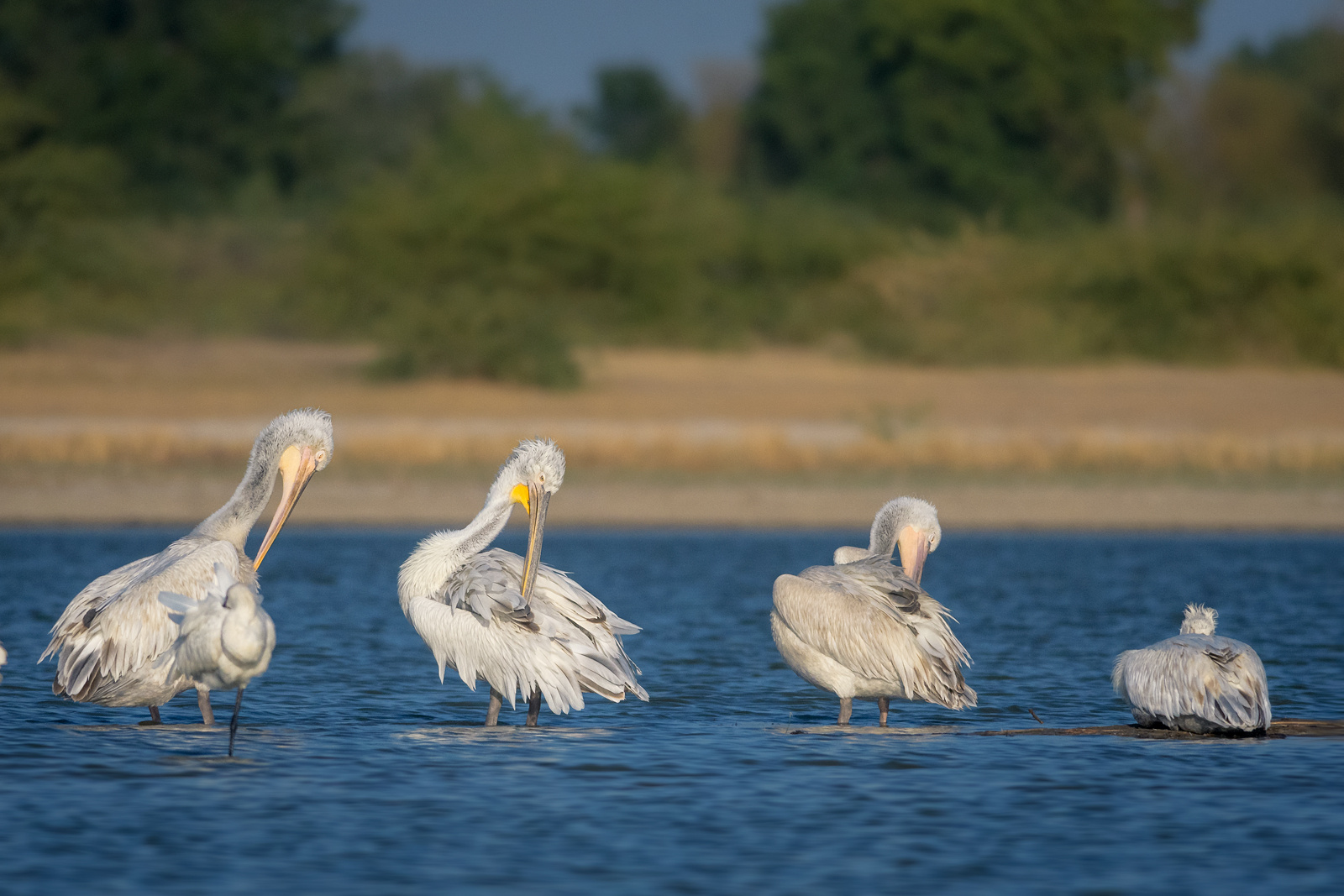
The D500 has since moved on and is no longer part of my kit, but the 300mm f/4 stayed with me.
Then I moved to mirrorless and started shooting with the Nikon Z8. The 300mm, however, didn’t make the transition immediately. It slowly found its way into my camera cabinet and stayed there.
For quite some time, it was almost forgotten.
At one point, I even considered giving it away.
But every time I thought about letting it go, I couldn’t quite bring myself to do it. Perhaps it was the memories attached to the lens, or perhaps I simply knew that there was still a lot of life left in it.
Eventually, curiosity won.
I paired it with my Nikon Z8 using the FTZ II adapter.
And I was pleasantly surprised.
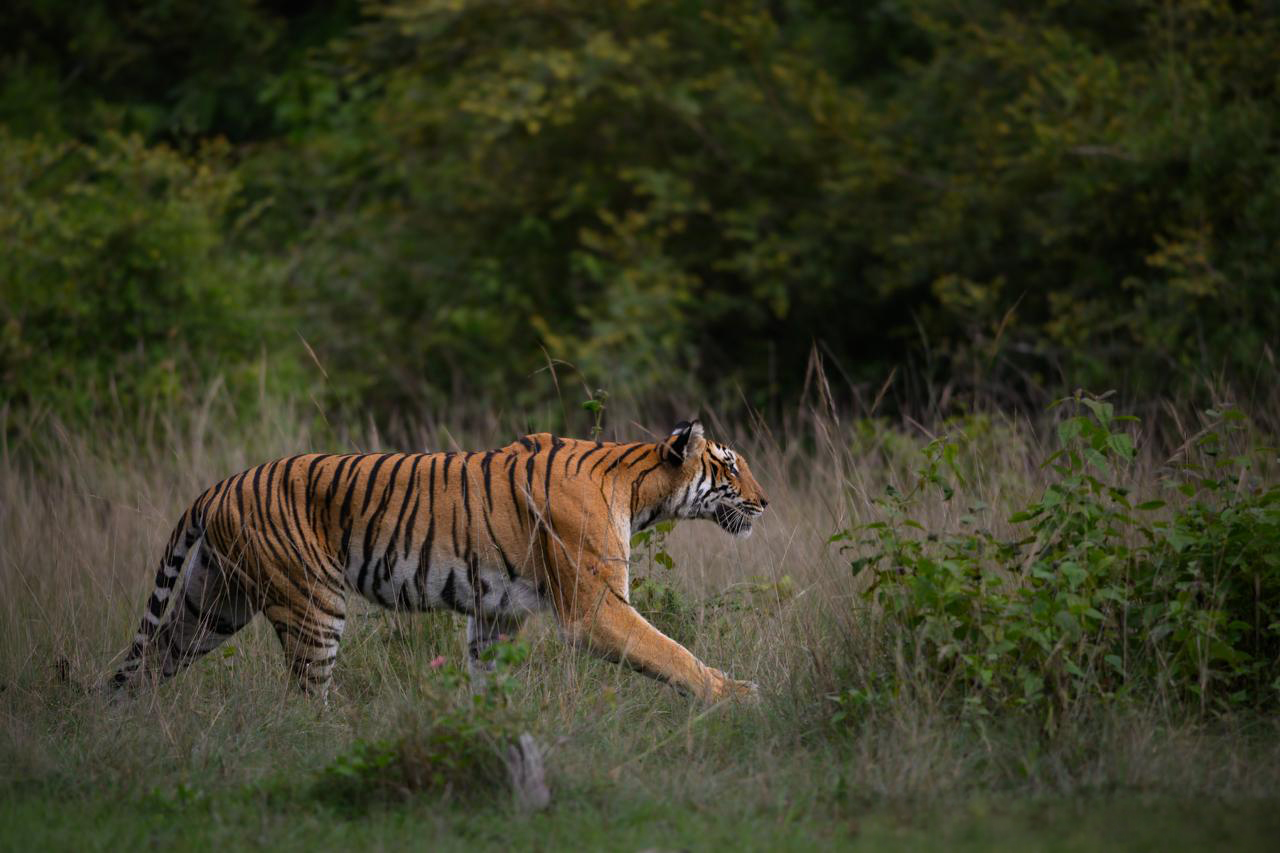
A new life on the Z8
The combination worked far better than I expected.
The 300mm f/4 still delivers excellent sharpness and detail, while the Z8 brings a completely modern shooting experience to this older F-mount lens. The result is a combination that feels surprisingly relevant even today.
For wildlife, I find 300mm on the Z8 to be a very useful focal length.
It is particularly well suited to larger mammals when they are relatively close, giving enough reach to create strong portraits without the extremely tight framing that can come with longer super-telephotos.
It is also excellent when you want to include some of the animal’s surroundings. At 300mm, you can isolate the subject while still retaining enough of the habitat to tell a story.
And there is another situation where I really appreciate it: when wildlife comes close.
A 500mm or 600mm can sometimes leave you struggling to fit a large animal into the frame. With 300mm, you have considerably more breathing room.
The lens also makes a lot of sense when portability matters. After spending time with large super-telephotos, the relatively compact size of the 300mm f/4 is genuinely liberating.
A Z8 + 300mm f/4 is a combination I can comfortably carry around for longer periods, making it useful not just for safari photography but also for walking, travel and general wildlife photography.
And if I’m carrying a longer lens on another body, the 300mm makes an excellent second setup—giving me a very useful alternative focal length without constantly changing lenses.
Why I kept it
What I like most about this lens is that it doesn’t try to compete with today’s newest super-telephotos.
It doesn’t need to.
It has its own strengths: compactness, reach, excellent image quality and versatility.
Of course, there are situations where I would choose a newer Z-mount lens. If I need maximum reach, the fastest autofocus or the ultimate subject isolation, there are more modern options.
But that doesn’t make the 300mm f/4 obsolete.
Quite the opposite.
Putting it on the Z8 reminded me that good glass doesn’t suddenly become bad because newer lenses arrive.
Sometimes, it simply needs a new camera behind it.
The D500 may have moved on from my kit, but this lens stayed.
And now, after spending so long sitting inside my camera cabinet, it has found a second life on the Z8.
I’m very glad I couldn’t let it go.

Leave a Reply